Dog Cleaning & Grooming Guide
Good grooming isn't just about looking good — it's the frontline defense against infections, allergies, and serious health problems. A few minutes of regular care saves thousands in vet bills.
Why regular cleaning matters:
• The American Kennel Club warns that dental disease in dogs can spread bacteria to the heart, kidneys, and liver — it's not just about bad breath. Regular brushing and dental care can prevent these systemic infections.
• According to the AKC, ear infections are one of the most common types of infections in dogs. Dogs with floppy ears (like Basset Hounds, Beagles, and Cocker Spaniels) are especially prone — and untreated infections can lead to permanent hearing loss.
• The AKC reports that skin allergies are the #1 reason dogs visit the veterinarian. Regular bathing with the right shampoo can wash allergens off the skin and dramatically reduce itching — often without medication.
A few minutes of regular care — brushing teeth, cleaning ears, and bathing — can prevent years of pain, expensive vet visits, and serious health problems. Here's what every dog parent needs to know.
Oral & Dental Care
Toothbrushing, dental chews, water additives, oral spraysDental disease is the most common health problem in adult dogs (AKC). The bacteria from rotting teeth and gums don't stay in the mouth — they enter the bloodstream and can damage the heart, liver, and kidneys. The good news: regular brushing and dental chews can prevent this.
- Dog toothpaste — enzyme-based formulas break down plaque without rinsing (never use human toothpaste — xylitol is toxic to dogs)
- Dental chews & treats — look for the VOHC seal (Veterinary Oral Health Council), which means the product is proven to reduce plaque and tartar
- Water additives — a few drops in your dog's water bowl fights bacteria and freshens breath with zero effort
- Dental wipes & sprays — great alternatives for dogs that won't let you near their mouth with a toothbrush
Key fact: Brushing just 3 times a week makes a real difference. Daily is ideal, but even a few times a week is far better than never brushing.
Usage Frequency
| Toothbrushing (ideal) | Daily |
| Toothbrushing (minimum) | 3× per week |
| Dental chews | Daily |
| Water additives | Daily (with every water change) |
| Dental wipes & sprays | Daily, after meals |
Starter Kits
All-in-one bundles with toothpaste, brush, and spray

Dental Powders
Sprinkle on food — no brushing needed
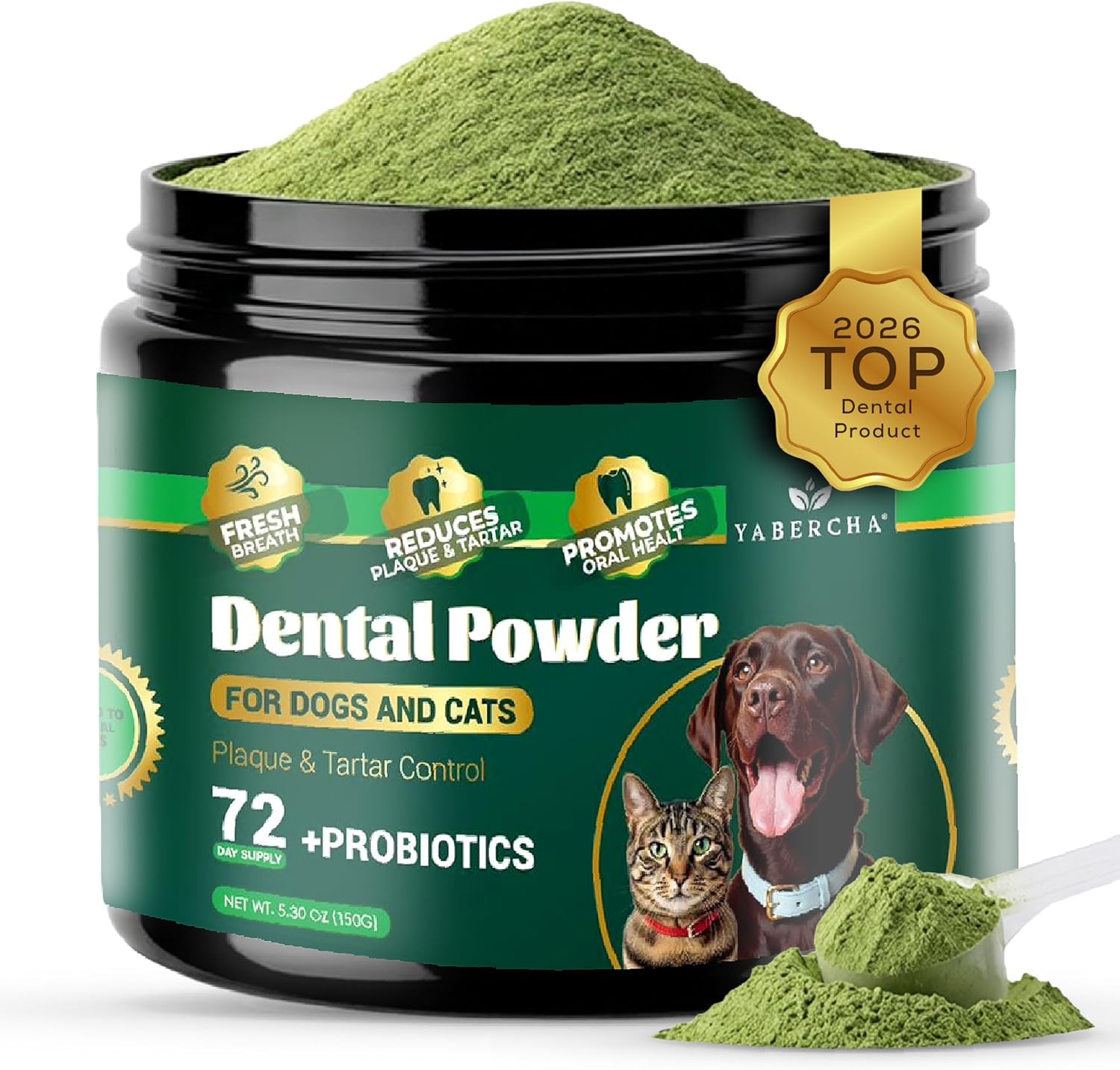
Probiotic Dog Dental Powder — Plaque Off — 150g / 5.3 oz
Enzymes & Probiotics, Natural Cleaning Formula
Vetriuntrix Dog Dental Powder — 150g
Natural Enzymes & Probiotics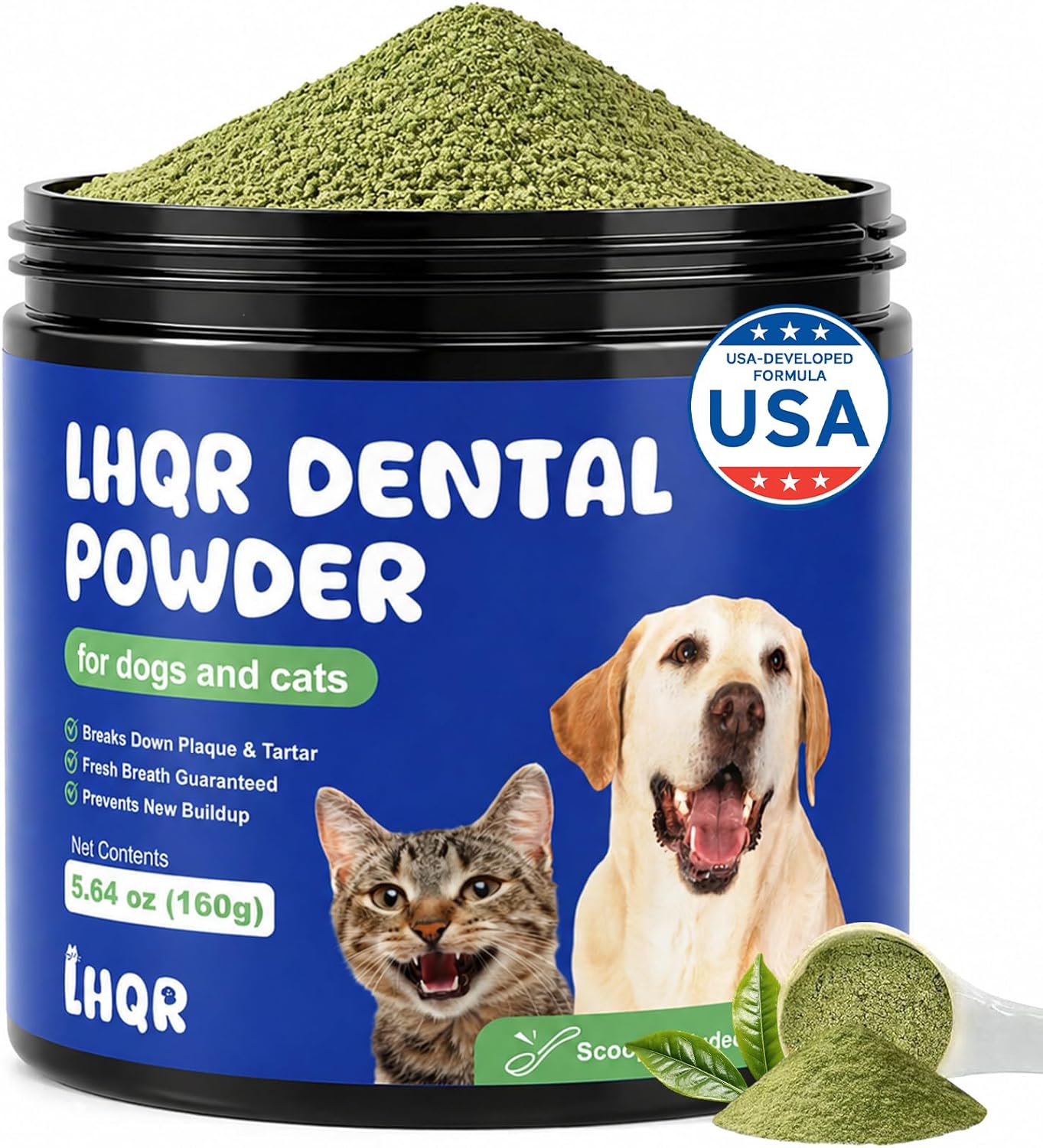
LHQR Dog Teeth Cleaning Powder — Mint — 160g / 80 Servings
Natural plaque & tartar remover, mint flavor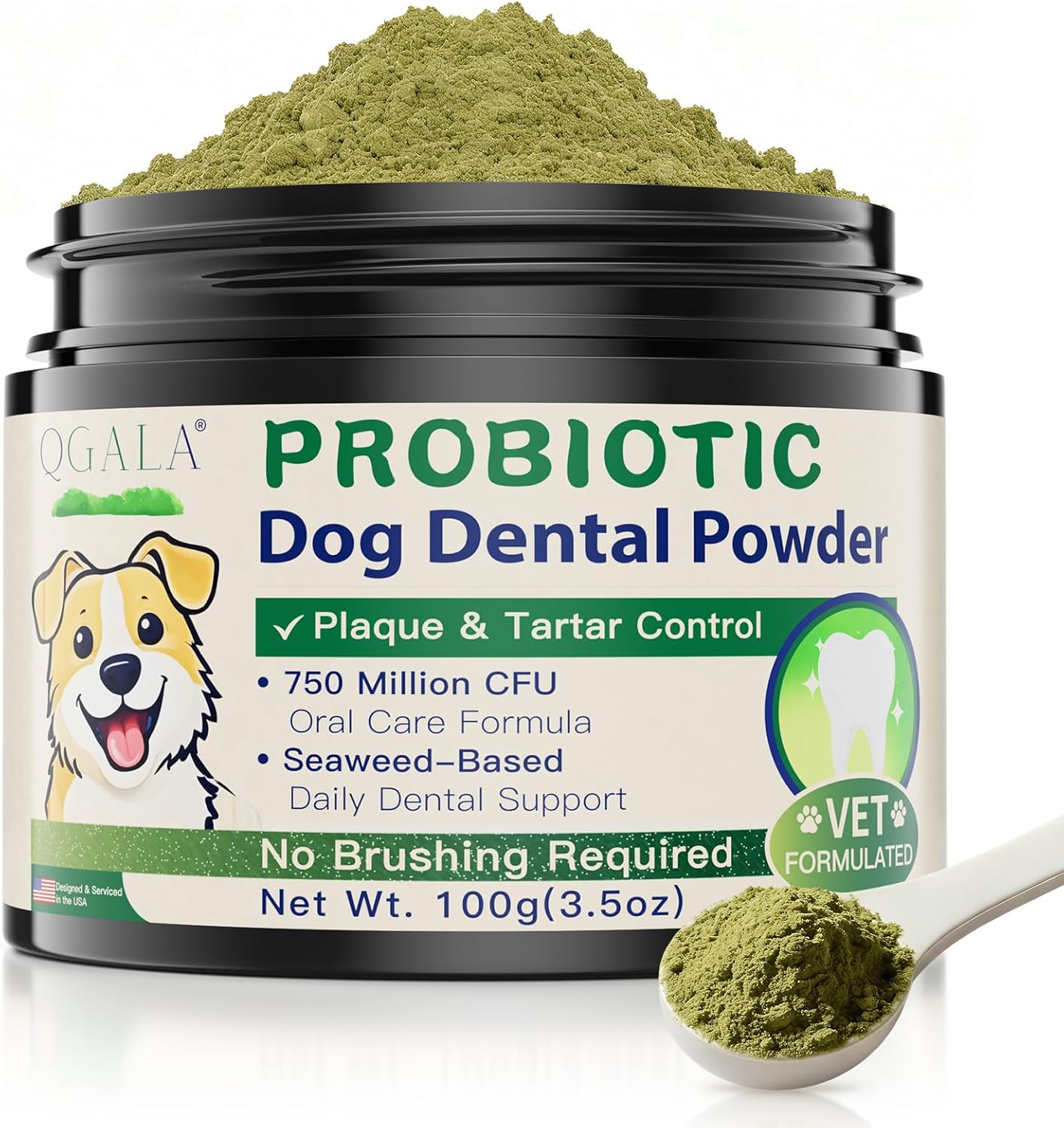
Qgala Dog Dental Powder with 750M CFU Probiotics — 4 oz
750M CFU Probiotics, Seaweed, Rosemary, Green Tea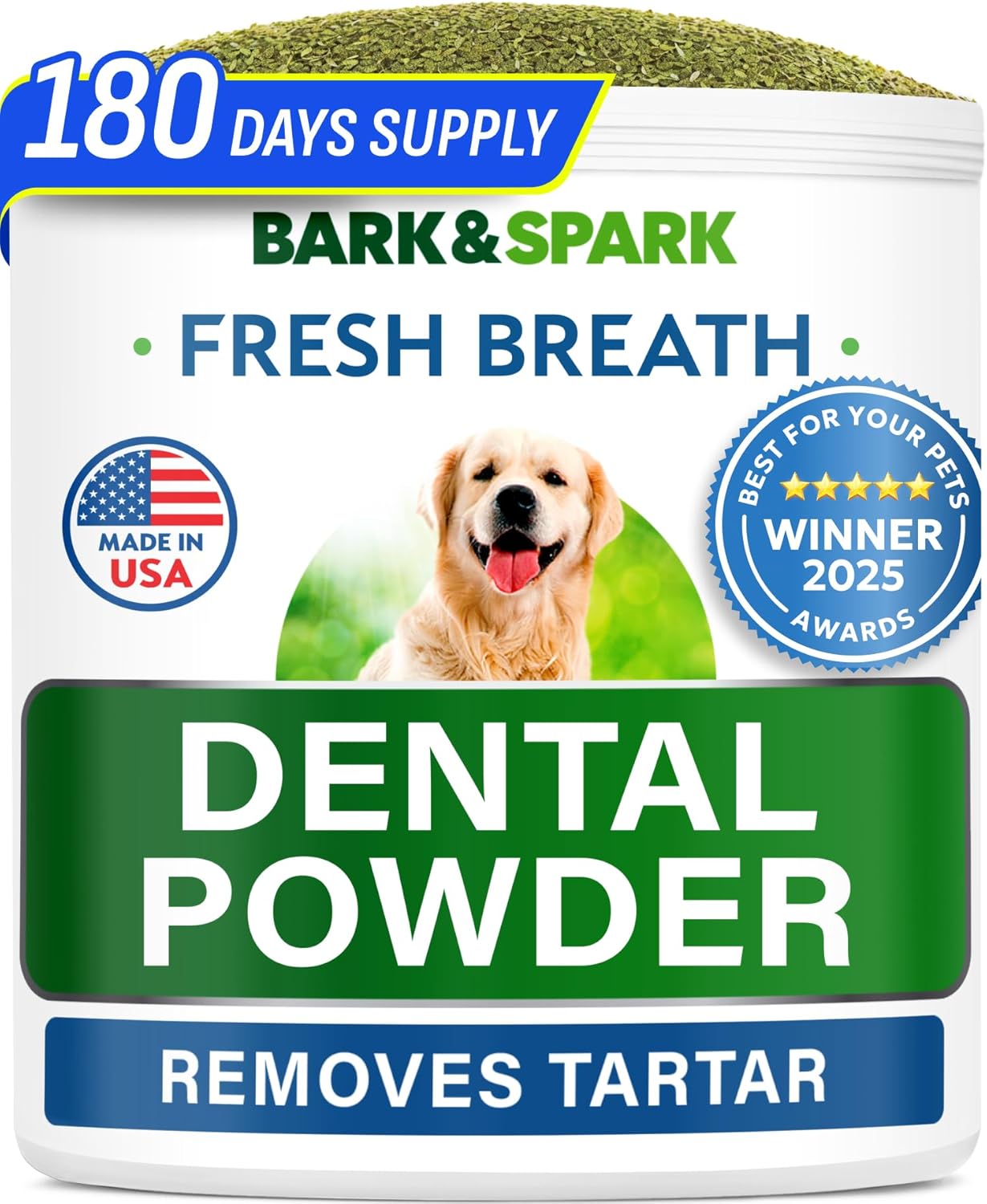
Bark&Spark Dog Teeth Cleaning Powder — 90 Servings
Pro formula — plaque & tartar remover, breath freshener
NATURE TARGET Dog Dental Powder — 180g
Brown Algae, Rosemary, Green Tea & ProbioticsWater Additives
Add to water bowl daily for zero-effort cleaning

Bodhi Dog Peppermint Dental Water Additive — 8 oz
Peppermint, plaque-reducing formula — Made in USA
Bodhi Dog Peppermint Dental Water Additive — Large — 17 oz
Peppermint, tartar-reducing formula — Made in USADental Chews & Treats
Treats that clean teeth while your dog chews
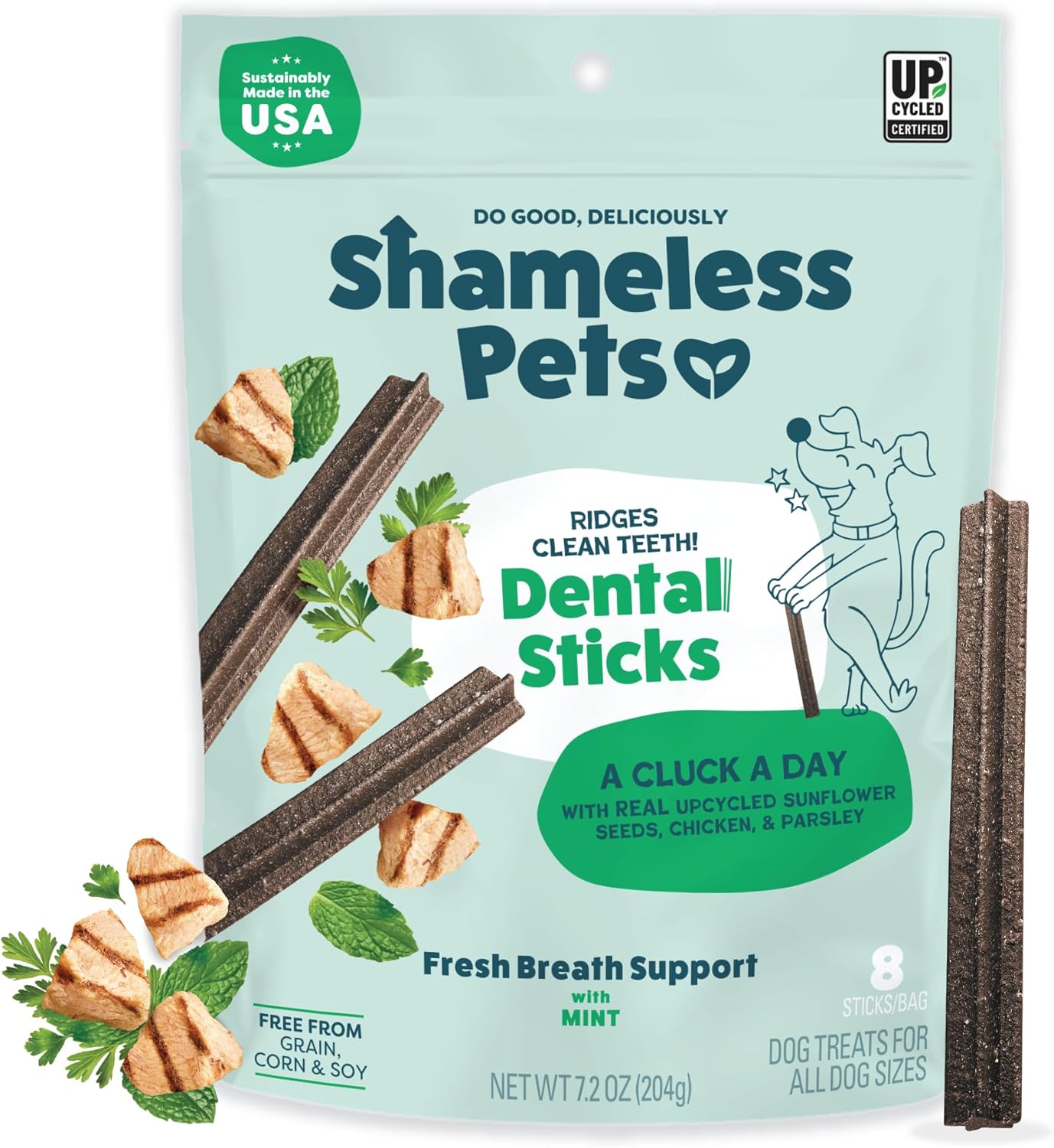
Shameless Pets Dental Treats — A Cluck A Day — 6 oz
Chicken, grain-free dental chews with digestive support
PETPHABET Dental Chews — 3 Flavor Variety Pack — 15 Chews
Mint, Chicken & Beef flavors — SGS tested, no sugar or fillersOral Sprays
Quick spray for dogs that resist brushing

Dental Wipes
Wipe teeth clean — great for on-the-go

Ear Care & Cleaning
Ear cleaners, infection prevention, ear mite treatmentEar infections are one of the top reasons dogs visit the vet — especially for floppy-eared breeds like Cocker Spaniels, Basset Hounds, and Labradoodles (AKC). The warm, moist environment inside a dog's ear canal is a perfect breeding ground for bacteria and yeast. Regular cleaning with a vet-approved solution can prevent most infections before they start.
- Ear cleaning solutions — look for ones that dry the ear canal to prevent bacteria and yeast from growing; use weekly for floppy-ear breeds
- Ear wipes — convenient for between-clean maintenance and on-the-go use
- Ear mite treatments — especially important for puppies and multi-pet households
- Post-swim/bath drying — moisture is the #1 trigger for ear infections
Key fact: Dogs with floppy ears (like Goldens, Labs, and Cocker Spaniels) get ear infections much more often than dogs with upright ears. Weekly cleaning with a drying ear solution is the simplest way to prevent them.
Usage Frequency
| Ear cleaning (at-risk/floppy-ear breeds) | Weekly |
| Ear cleaning (upright-ear breeds) | Every 2–4 weeks |
| Ear wipes (maintenance) | 1–2× per week |
| Ear mite treatment | As directed (typically every 2–4 weeks during treatment) |
| Post-swim/bath drying | Every time after water exposure |
Cotton Swabs
Long cotton swabs for deep cleaning ear folds and crevices

Ear Wipes
Pre-moistened wipes for quick, gentle daily ear cleaning

Skin & Coat Care
Shampoos, conditioners, hot spot treatments, allergy reliefSkin allergies are the #1 reason dogs visit the veterinarian (AKC). Pollen, dust, food sensitivities, and contact with irritants can cause itching, hot spots, hair loss, and skin infections. A dog's skin and coat are also a good indicator of overall health — dull fur, excessive shedding, or constant scratching often mean something is off. Regular grooming and the right skin care products can make a huge difference.
- Medicated shampoos — antifungal, antibacterial, or soothing (oatmeal/aloe) depending on condition
- Hot spot treatments — sprays, creams, and soothing gels for sudden flare-ups
- Omega-3 supplements — fish oil reduces inflammation and improves coat quality from the inside out
- Hypoallergenic grooming products — fragrance-free, dye-free for sensitive dogs
- Paw balms & nose butters — protect paw pads from heat, ice, and rough surfaces
Key fact: Skin allergies are the most common allergic problem in dogs — triggered by fleas, food, and things in the environment like pollen and dust. Regular baths with a gentle, moisturizing shampoo can wash allergens off the skin and soothe itching without medication.
Usage Frequency
| Medicated shampoo (treatment) | Every 1–2 weeks |
| General grooming bath | Every 2–4 weeks |
| Hot spot treatment (flare-up) | 2–3× per day as needed |
| Omega-3 fish oil | Daily |
| Paw balm / nose butter | Daily in extreme weather |
| Brushing (long-haired breeds) | Daily |
| Brushing (short-haired breeds) | 2–3× per week |
Dog Shampoos
Gentle cleansing formulas for regular baths

Bodhi Dog Oatmeal Shampoo & Conditioner — 17 oz
Oatmeal, Aloe Vera — hypoallergenic, fragrance-free
1 Gallon Oatmeal Honey Dog Shampoo — 1 Gallon
Oatmeal, Honey — moisturizing for dry, itchy skin
LEGITPET Oatmeal Dog Shampoo & Conditioner — 16 oz
Oatmeal, Honey, Aloe Vera — itch & allergy relief
True Coat Curly & Wavy Dog Shampoo 5-in-1 — 16 oz
Oat Milk, Coconut Oil — detangles & conditions
Nonaste Aloe Glow Premium Dog Shampoo — 16 oz
Aloe Vera — deep-clean & odor-neutralizingMedicated & Treatment Shampoos
Targeted relief for allergies, yeast, and infections

Conditioners & Detanglers
Post-bath moisture and coat softening
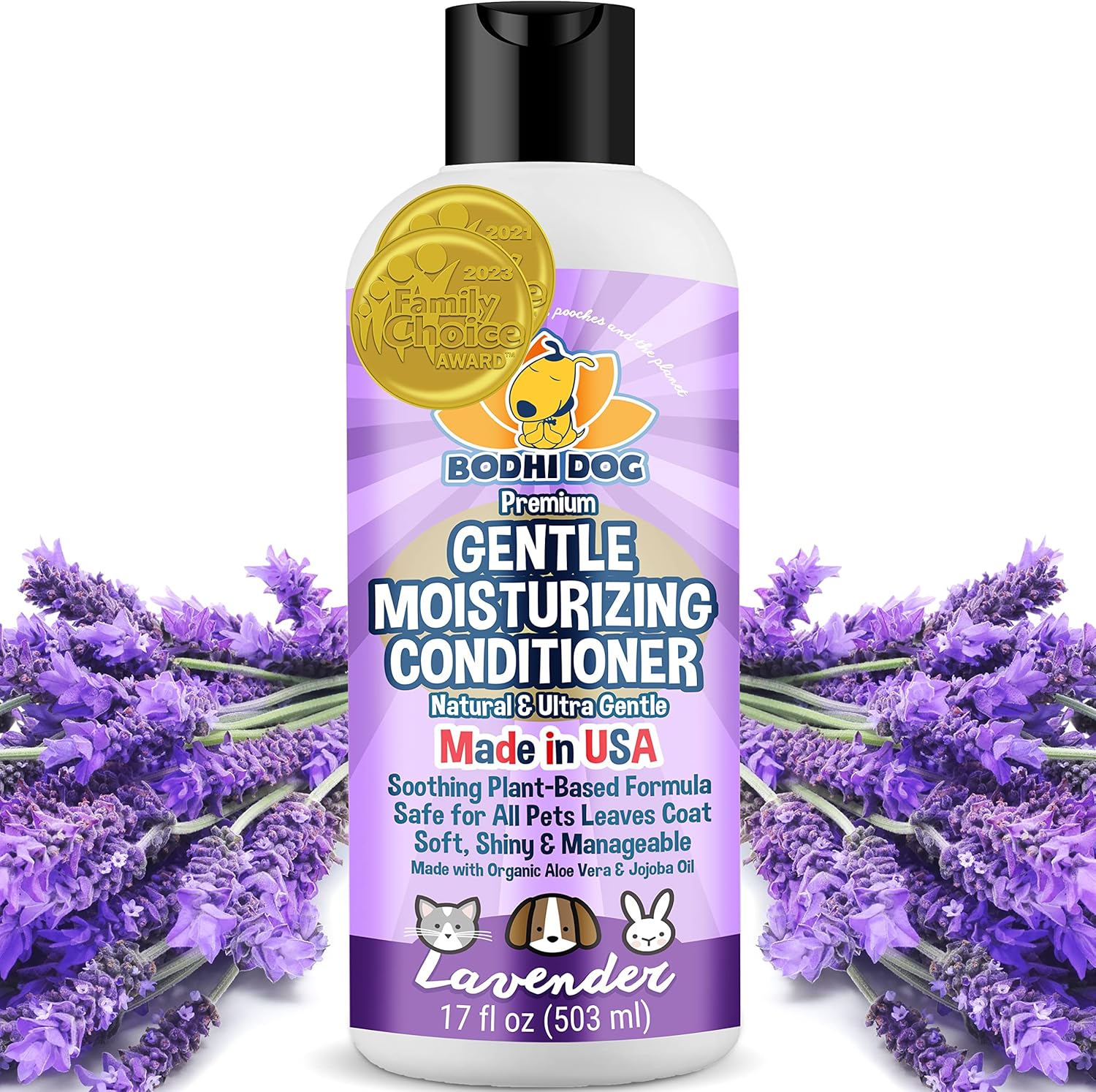
Bodhi Dog Gentle Moisturizing Conditioner — 17 oz
Aloe Vera, plant-based — soothing detangling formula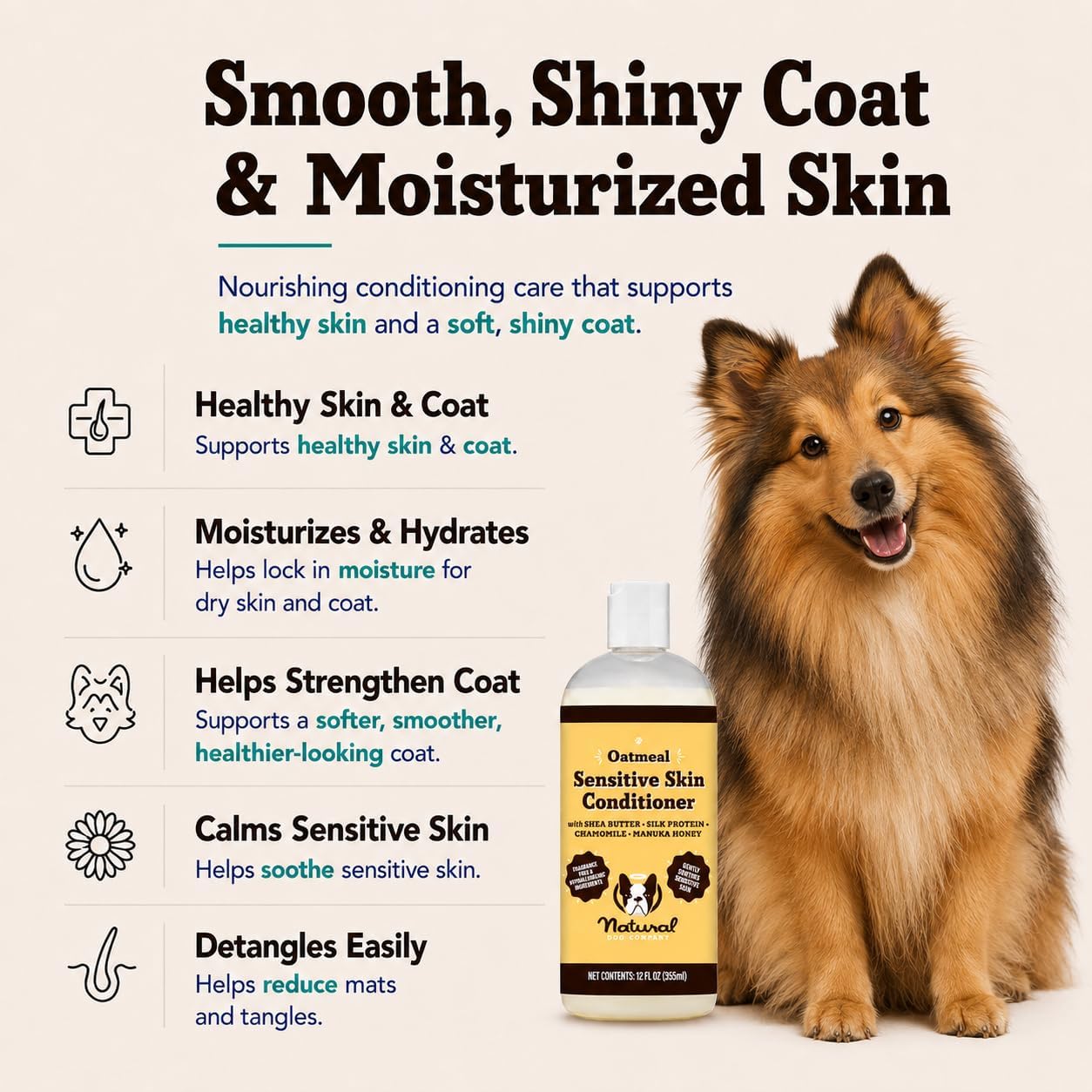
Natural Dog Company Sensitive Skin Conditioner — 12 oz
Oatmeal, moisturizing — for sensitive skinHot Spot & Skin Treatments
Sprays and treatments for sudden flare-ups

Dry & Waterless Shampoos
No-rinse cleaning for between baths

Specialty Products
Sunscreen, skunk remover, and other must-haves

EBPP Dog Sunscreen Skin Protector Spray — 8 oz
No zinc oxide — safe for all breeds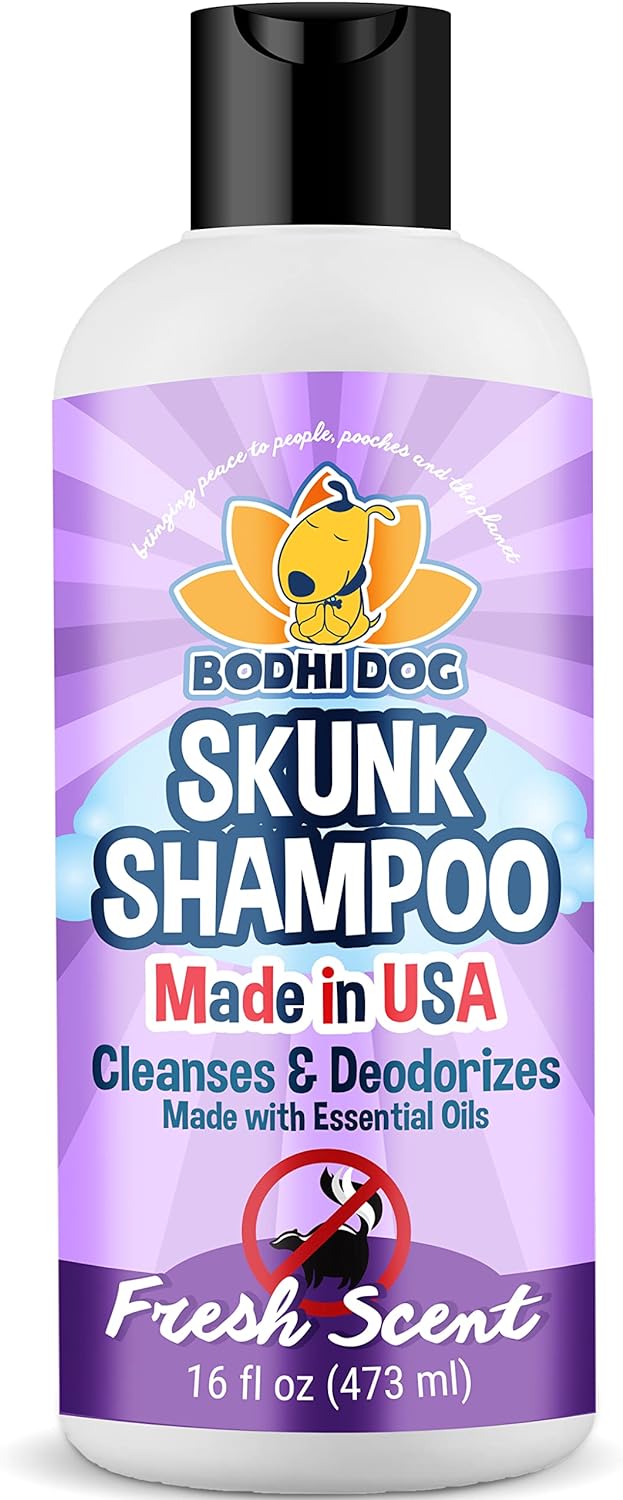
Bodhi Dog Skunk Odor Remover Shampoo — 17 oz
Essential oils, deodorizing enzymes — Made in USABath Tools & Brushes
Everything you need for a better bath

IDQQUQQ Dog Washing Gloves & Shampoo Brush Set — 2-Piece Set
Silicone scrub gloves + shampoo brush
Bodhi Dog Shampoo Brush — Pet Bath Massage Tool — 1 Brush
Rubber bristles — gentle massaging action🐾 Why Trust Lazy Paw Life
✅ Hands-on research — Every product on this site has been personally reviewed. We compare specs, read hundreds of owner reviews, and only recommend what we would give to our own dogs.
✅ No sponsored placements — Brands cannot pay to appear here. All rankings are based on merit alone. We do earn a commission if you buy through our links, at no extra cost to you.
✅ Vet-informed, not vet-replaced — Our content is researched from free, accessible sources (AKC, Merck Vet Manual, PubMed) and written for everyday pet parents. Always consult your vet for medical decisions.
✅ Kept up to date — We regularly check prices, availability, and new products. This page was last updated June 2026.
Important Disclaimer
This guide is for informational purposes only. Always consult your veterinarian before starting any new care routine — especially for dogs with pre-existing conditions.